Machining Guides

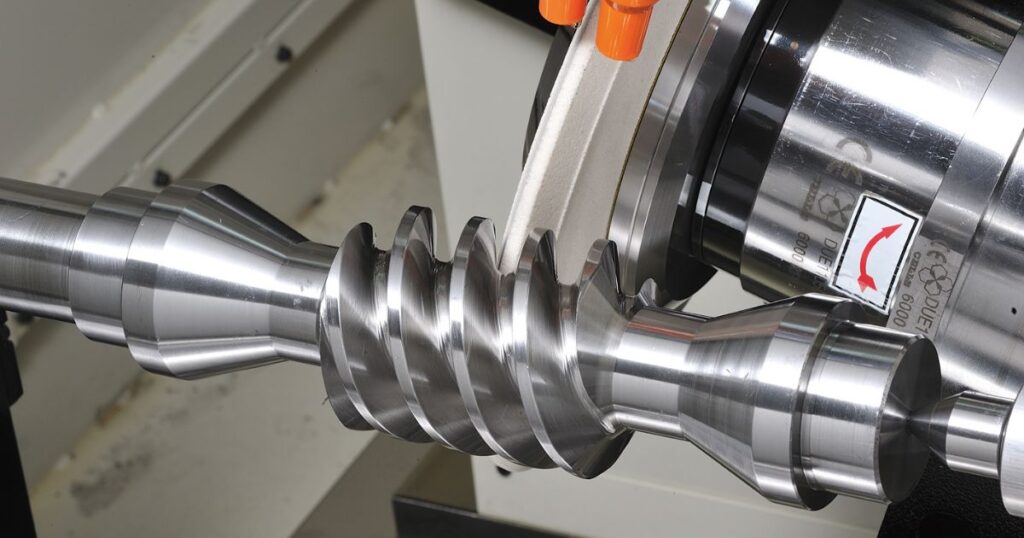
CNC thread grinding

Advanced CNC Thread Grinding Technology for High-Precision Linear Ball Screws: A Technical Analysis

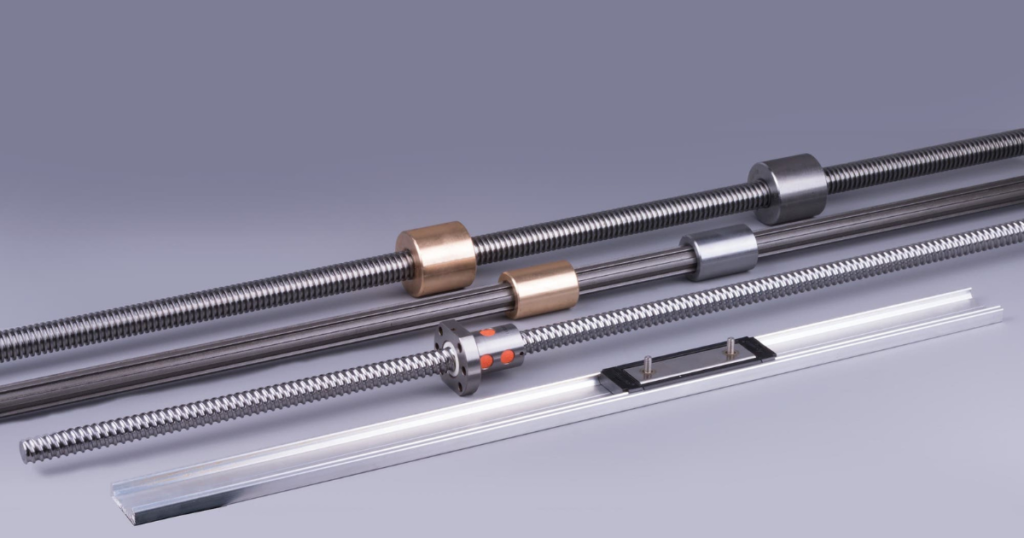
A linear ball screw converts rotary motion into linear motion by rolling balls between the threaded shaft and the nut. Because the balls roll instead of slide, mechanical efficiency rises from a typical 0.3–0.5 for sliding screws to values usually higher than 0.9, as Bertolim et al. document in a 2023 study in the journal

Advanced CNC Thread Grinding Technology for High-Precision Linear Ball Screws: A Technical Analysis Read More »

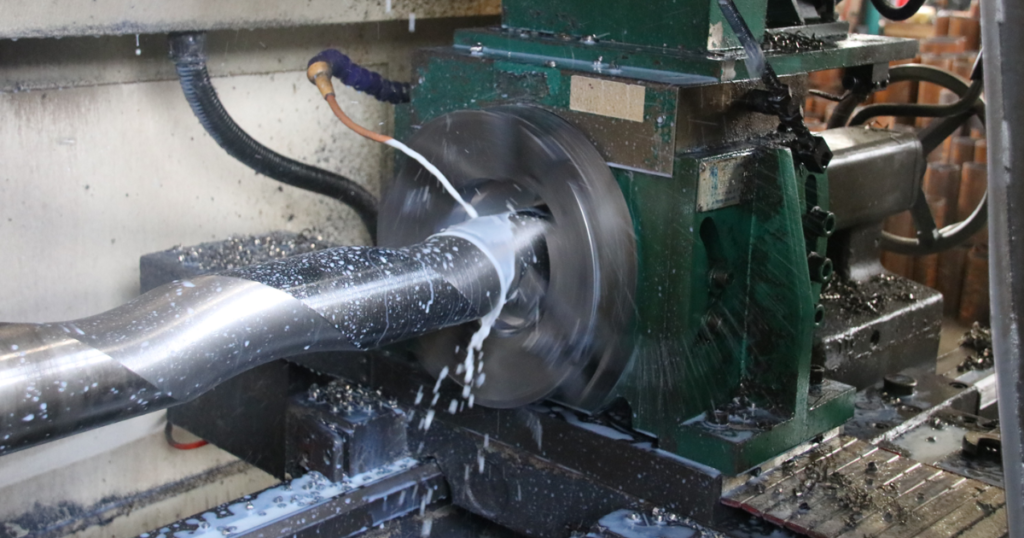
Thread whirling Progressive cavity pump rotor machining process

A Thread Whirling Technical Guide to High-Precision: Optimizing Progressive Cavity Pump Rotor Manufacturing

Progressive cavity pump (PCP) rotors are eccentric helical screws that must hold their profile along the full length of a slender bar while running inside an elastomer stator, and thread whirling is the machining process most often chosen to produce that profile in a single pass. This guide is written for the manufacturing and procurement

A Thread Whirling Technical Guide to High-Precision: Optimizing Progressive Cavity Pump Rotor Manufacturing Read More »

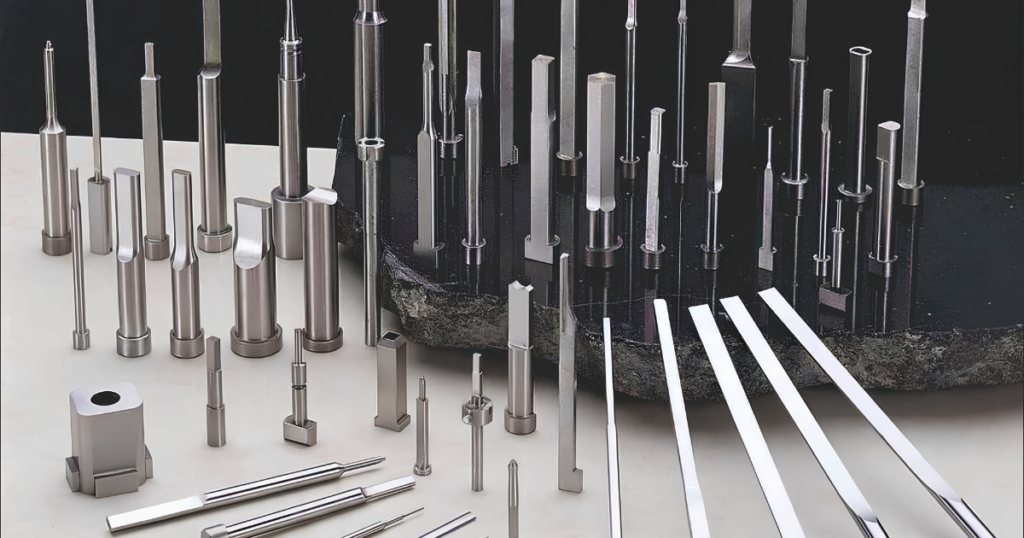
die pin manufacturing display

Advanced Rotor & Die Pin Manufacturing: Eliminating Grinding with Polygon Whirling

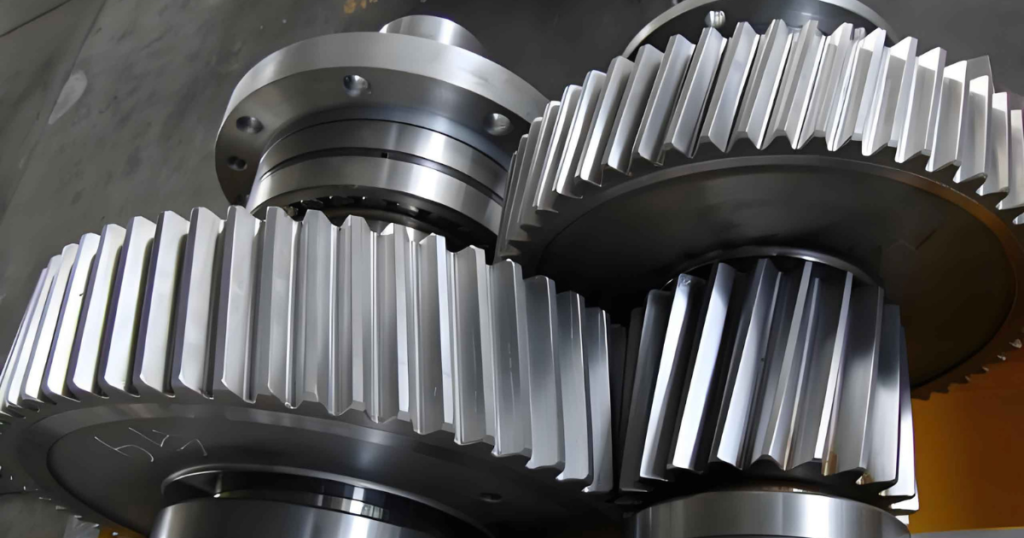
Die pin manufacturing has traditionally ended at the grinding wheel: turn the pin, harden it, then finish the profile and the surface on a cylindrical grinder. For the eccentric pins and multi-lobe rotors used in sanitary pumps and dosing systems, that final step is the one that causes trouble. Grinding concentrates heat at the surface,

Advanced Rotor & Die Pin Manufacturing: Eliminating Grinding with Polygon Whirling Read More »

trapezoidal screw manufacturing process

Trapezoidal Screw Manufacturing Process: Whirling vs Rolling

A trapezoidal screw turns rotary motion into linear motion through a symmetric trapezoidal thread form, and it does so under load, cycle after cycle, in jacks, presses, vices, and the lead screws of machine tools. That performance is decided early: the trapezoidal screw manufacturing process you choose — thread rolling or thread whirling — sets

Trapezoidal Screw Manufacturing Process: Whirling vs Rolling Read More »

Screw Pump Production Guide

The Engineer’s Guide to Screw Pumps: Mechanics, Types, & Applications

A screw pump moves fluid by trapping it in sealed helical cavities and carrying those cavities from inlet to outlet as the screws rotate. Because the cavity volume per revolution is fixed, delivered flow follows shaft speed rather than discharge pressure — the property that separates every screw pump from centrifugal designs. This guide covers

The Engineer’s Guide to Screw Pumps: Mechanics, Types, & Applications Read More »

Helical Profile Cutting

The Engineering Advantages of Whirling for Helical Profile Cutting

In the competitive landscape of industrial manufacturing, the demand for precision, speed, and reliability is unrelenting. For decades, manufacturers relied on traditional single-point threading or thread grinding to produce complex screws and threaded components. However, as the medical, aerospace, and automotive sectors demand tighter tolerances and harder materials, these legacy methods are showing their limitations.

The Engineering Advantages of Whirling for Helical Profile Cutting Read More »

cnc thread whirling machine cutting tool machining a helical thread on a metal workpiece

Advanced CNC Thread Whirling: Process Mechanics, Tooling, and Cycle Time Optimization

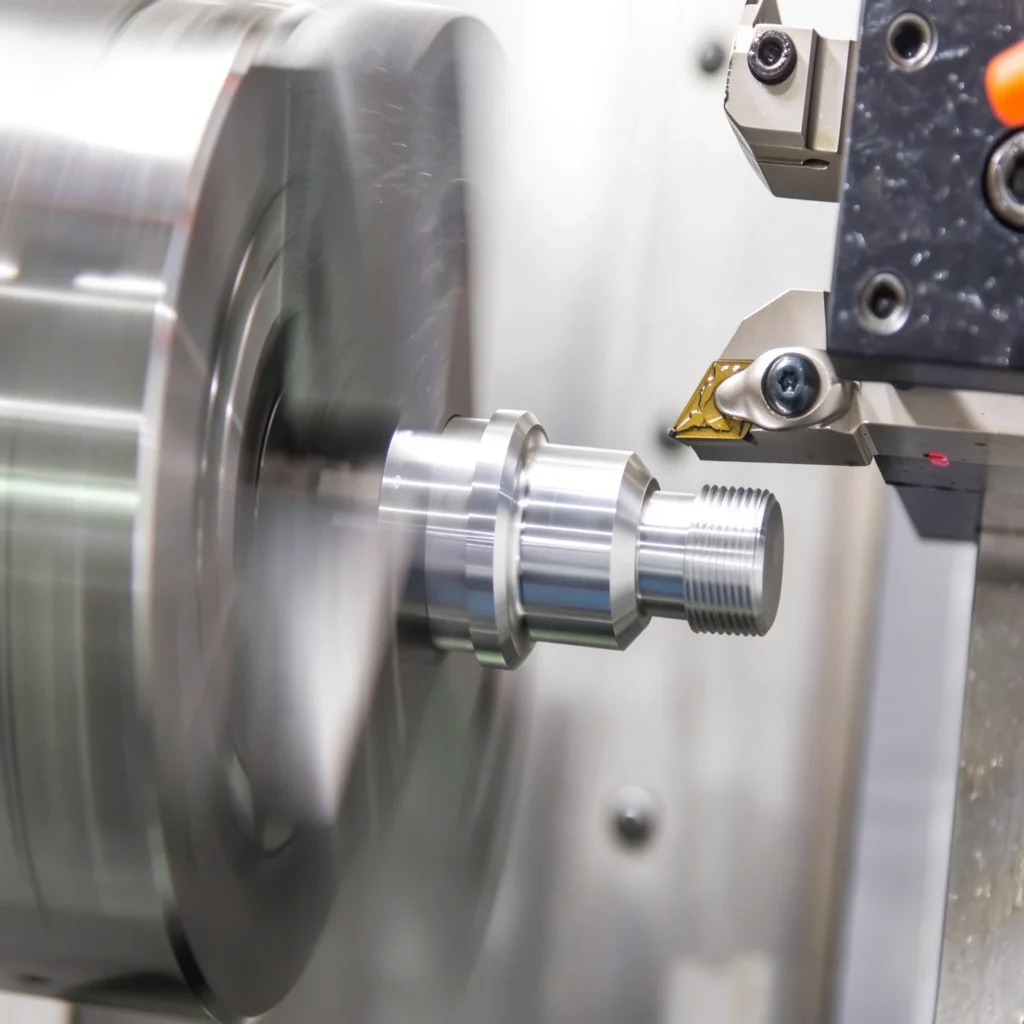
A CNC thread whirling machine cuts a full-depth thread in a single pass by spinning a ring of carbide inserts around a slowly rotating workpiece, with the ring offset from the part's center. The process sits at the intersection of turning and milling: the workpiece feeds like a lathe part while the cutting ring machines

Advanced CNC Thread Whirling: Process Mechanics, Tooling, and Cycle Time Optimization Read More »

thread whirling

Advanced Troubleshooting for Thread Whirling: Eliminating Chatter, Burrs, and Rapid Tool Wear

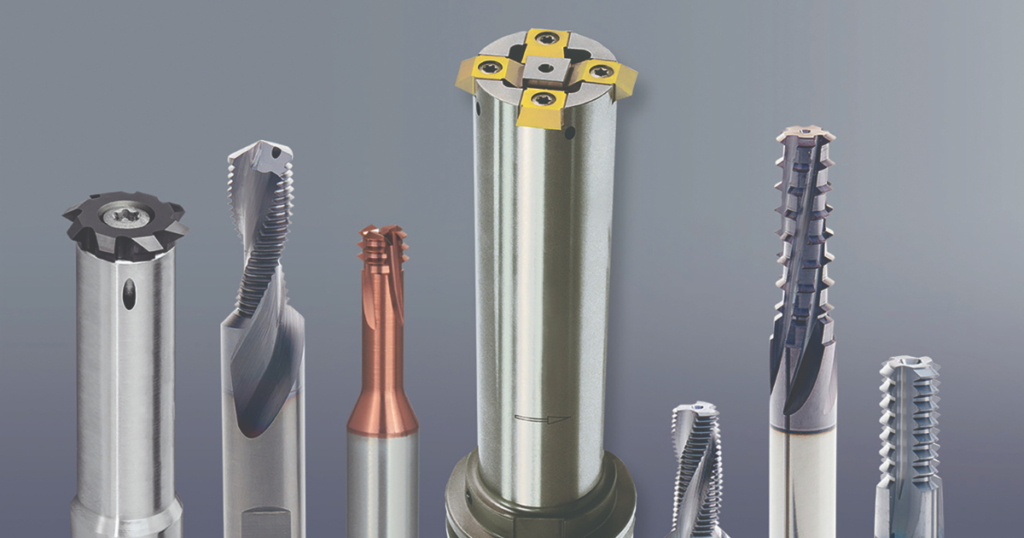
Thread whirling cuts a complete, deep thread in a single pass, which is exactly why its defects look nothing like the ones you learned to chase on a lathe. When the surface goes bad, the thread tears, or the inserts die young, the cause is almost never the spindle speed alone. This guide is written

Advanced Troubleshooting for Thread Whirling: Eliminating Chatter, Burrs, and Rapid Tool Wear Read More »

Scroll to Top

Let's get in touch